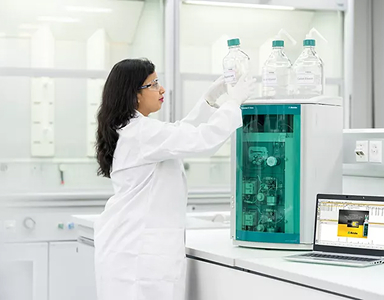


The generic drug market continues to expand in Brazil, playing a strategic role by increasing access to essential treatments and stimulating competition. However, this growth imposes new challenges on the pharmaceutical industry, especially regarding quality control, traceability, and regulatory compliance.
With high production volumes and pressured margins, laboratories must balance operational efficiency with technical rigor. “The growth of generics requires highly controlled processes. Competitiveness depends on the ability to ensure quality, therapeutic equivalence, and data integrity throughout the entire chain,” evaluates Eduardo Bravim, a specialist in pharmaceutical biotechnology and scientific supply chain.
Regulatory Rigor and Efficiency
Anvisa has strengthened requirements for Good Manufacturing Practices (GMP), analytical method validation, and statistical process control. These demands increase the need for investment in automation and advanced analytical instrumentation. Manufacturers are pressured to reduce costs without compromising technical standards. “The industry must evolve toward digital models where quality, production, and supply chain are connected by reliable systems,” highlights Bravim.
Strategic Traceability
In global supply chains, ensuring the origin and compliance of raw materials is vital. Traceability failures result in regulatory non-compliance, financial losses, and risks to patient safety. For industry experts, this scenario represents an opportunity for the Brazilian pharmaceutical industry to mature.
“The consolidation of the generics market tends to raise the sector’s technical level, stimulating investment in innovation and alignment with international standards,” concludes Eduardo Bravim.